
A Practical Case
What does it really take to photograph an industrial site?
Creating a strong image library on an active industrial site requires much more than simply turning up with a camera.
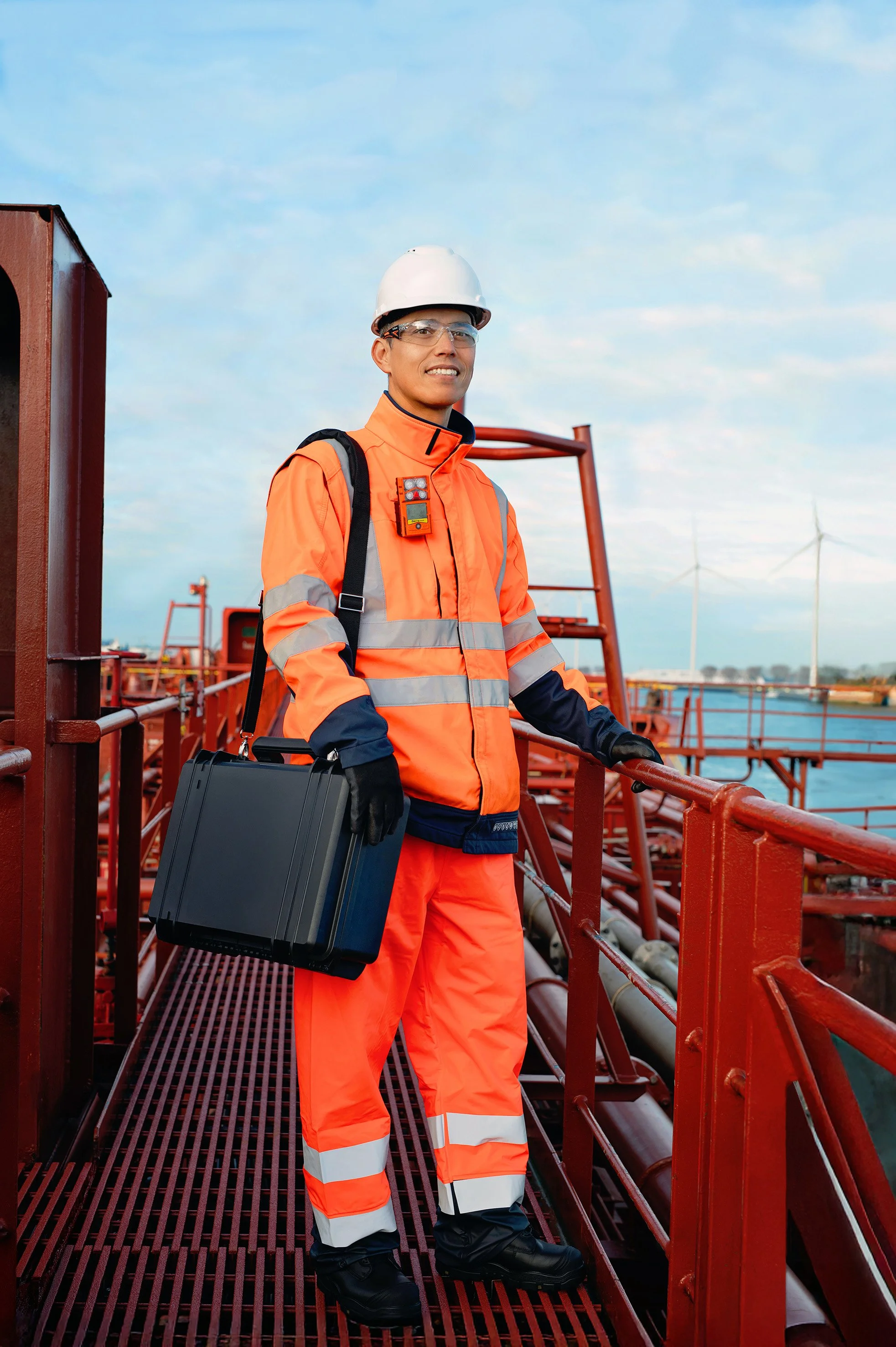
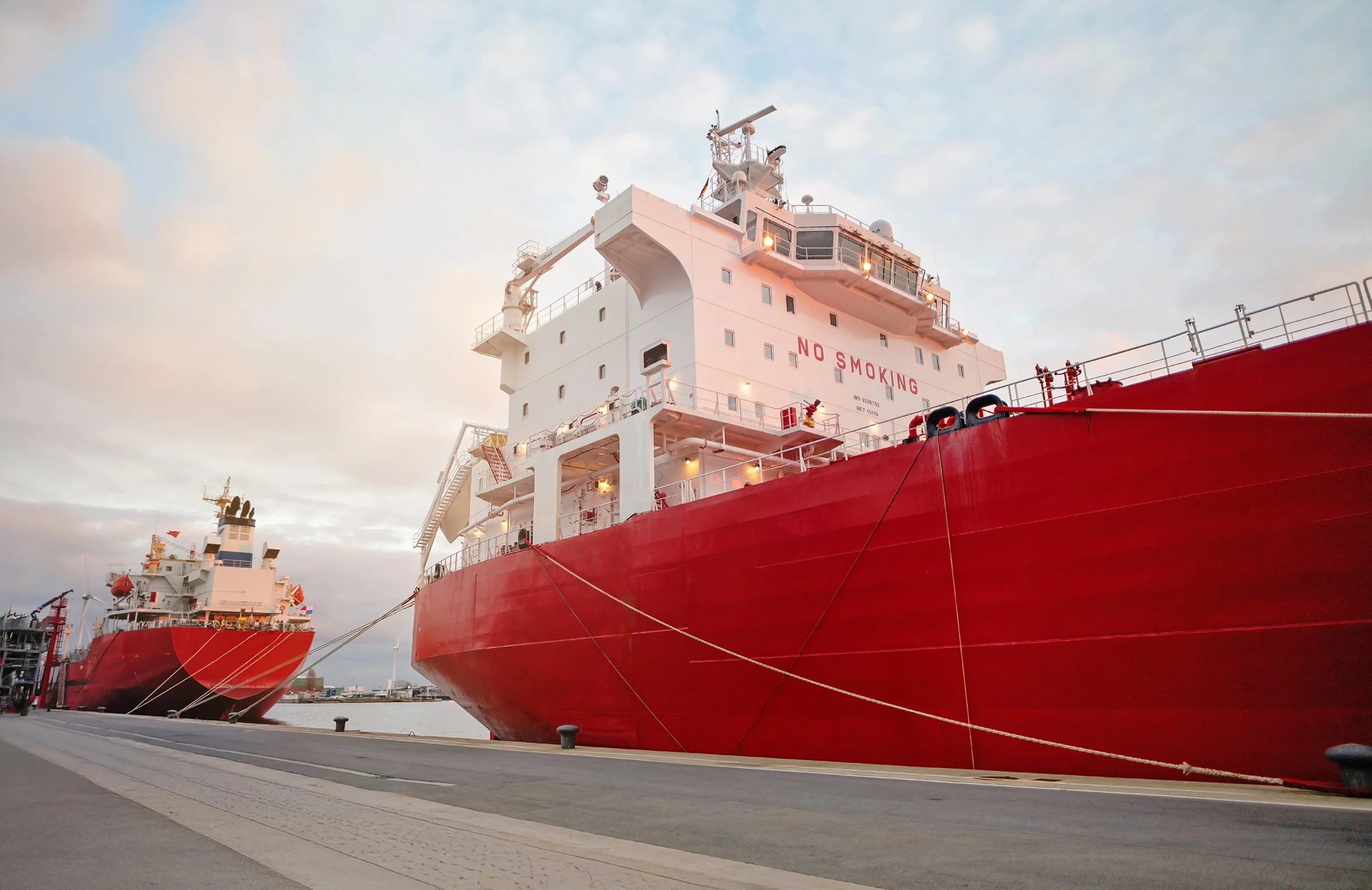
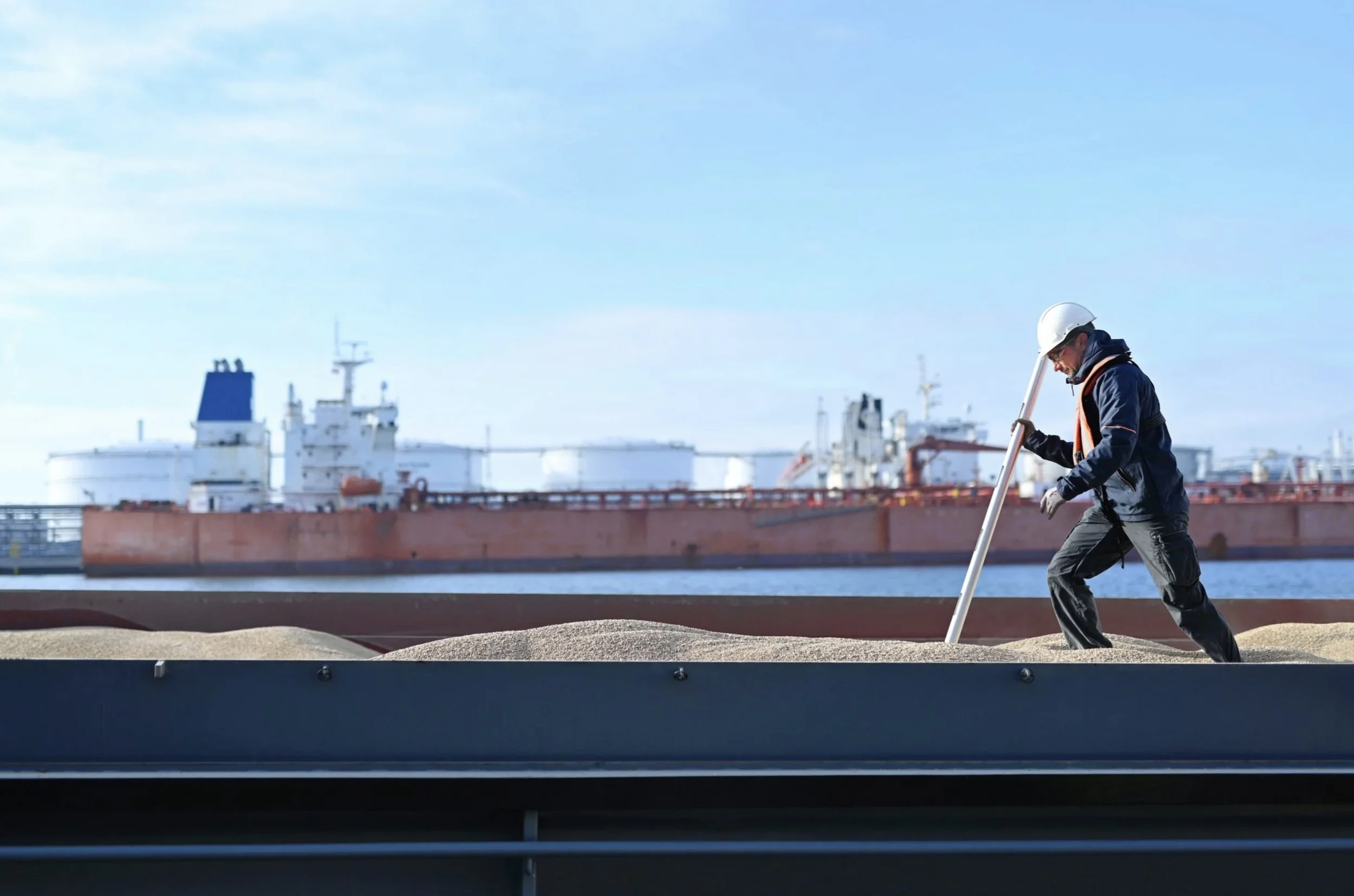
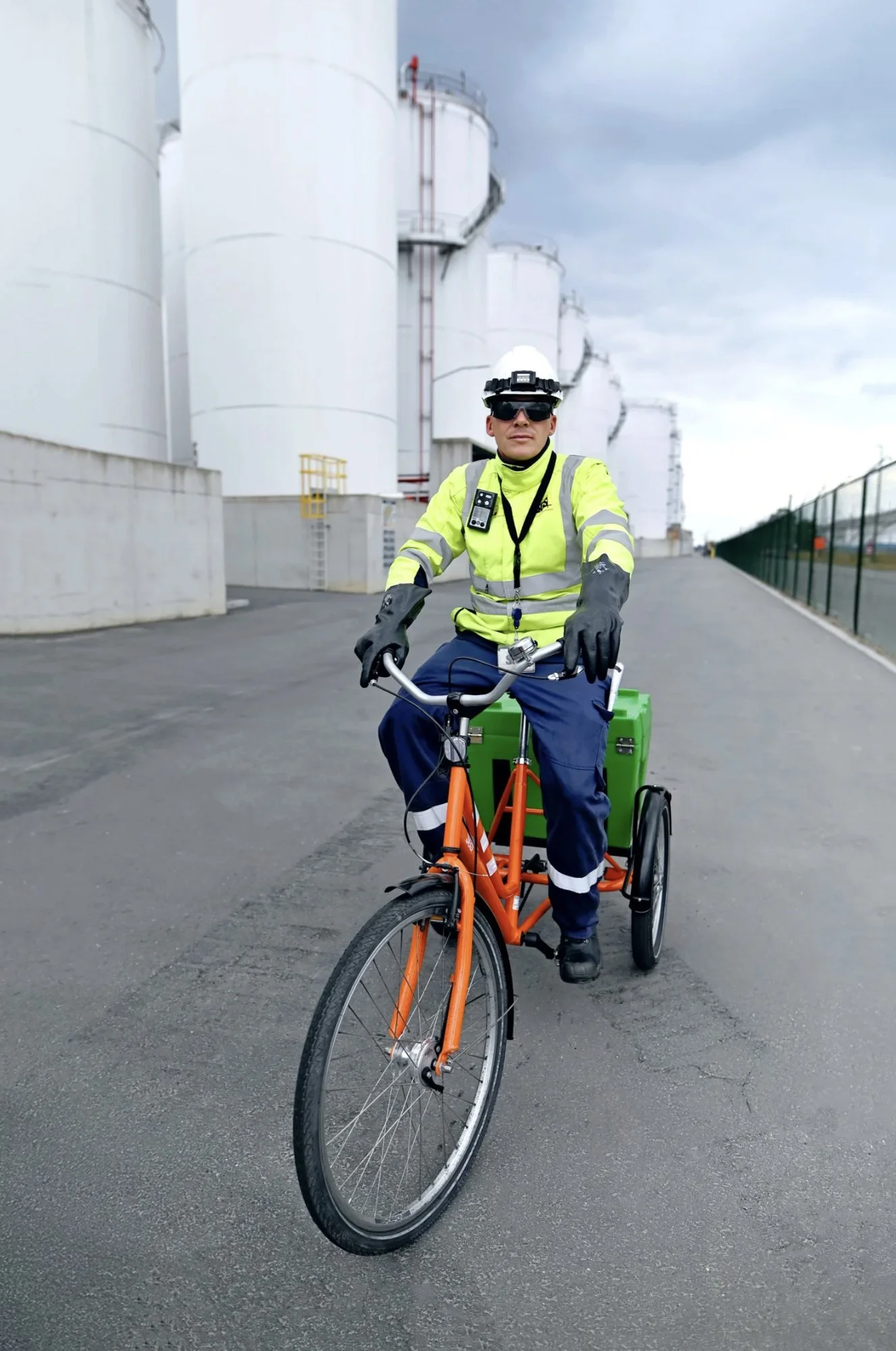
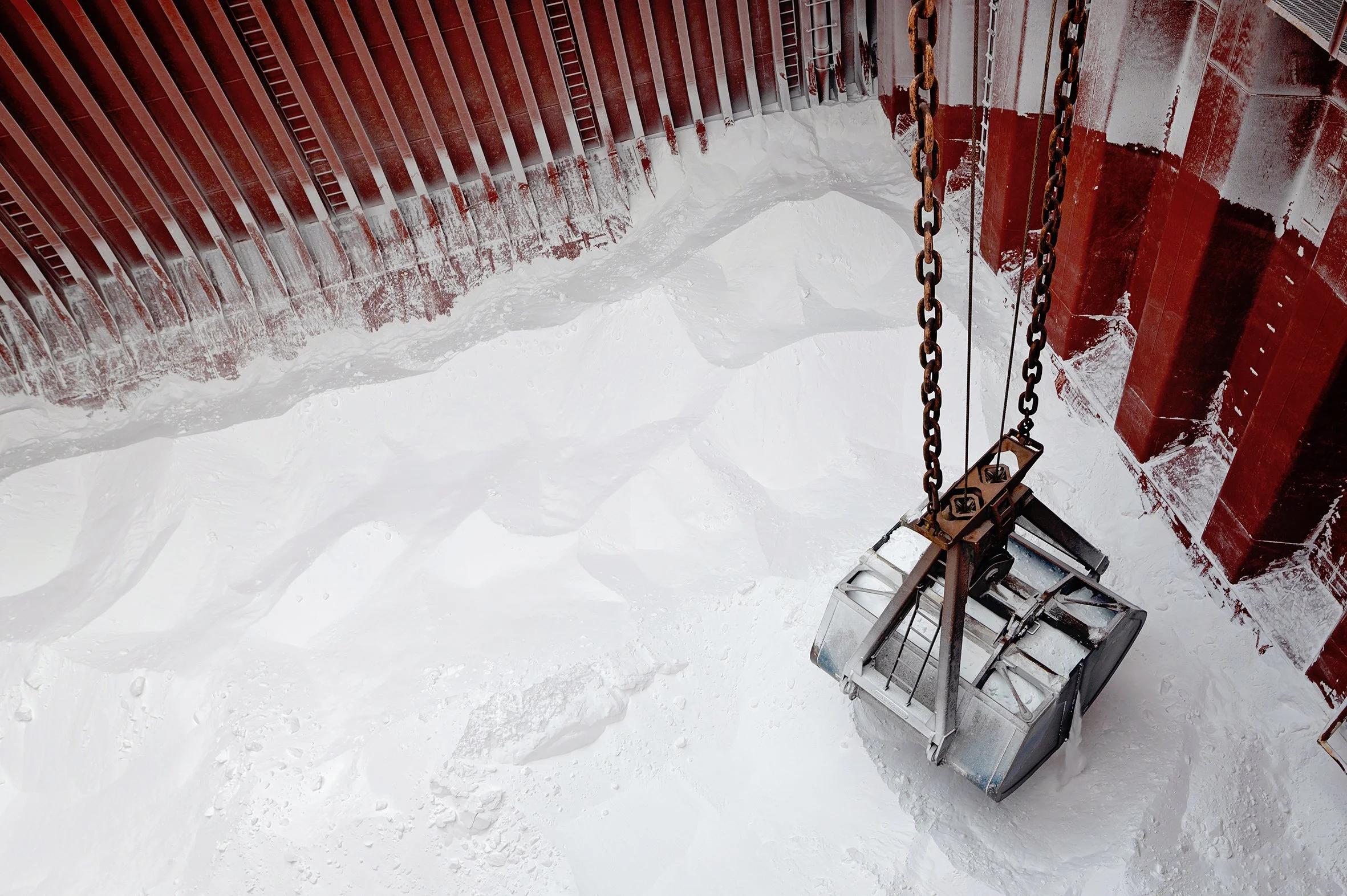
For this project at the Port of Antwerp, the objective was to create a versatile visual library showcasing two business divisions, Oil & Gas Services and Agricultural Commodities, through the people, expertise and operations behind them.
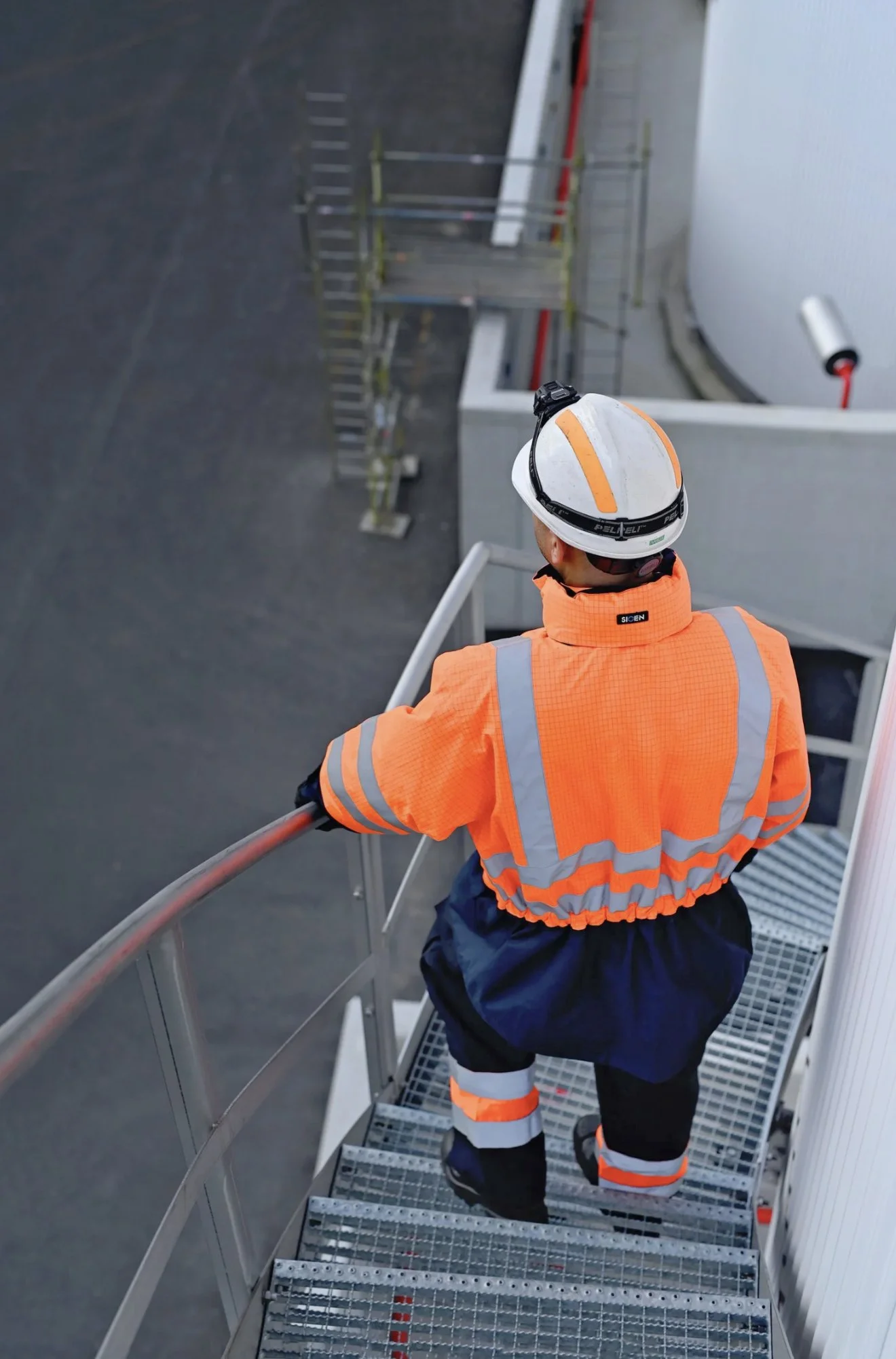
In approximately six hours, we photographed around twelve employees across ten different locations, following real operations while creating enough variety for the images to serve multiple communication needs.
Preparation makes the difference:
Access, safety, ongoing operations, vessel schedules, people and timing all had to come together.
Photography on a port requires specific authorizations, visitor registration, escorts, and strict safety procedures. Some locations included ATEX zones*, requiring appropriate equipment and additional precautions.
Employees were briefed in advance, image permissions were organized, and clean PPE was prepared for the people being photographed. A second day was also kept available in case weather conditions made the planned shoot impossible.
Good preparation meant that once on site, photography could fit around the operation rather than the operation having to fit around the photography.
*ATEX zones are areas where a potentially explosive atmosphere may occur and specific safety requirements apply.
Working with reality, not against it!
An industrial site is not a photography studio, and it shouldn't have to become one.
Operations continued normally throughout the day. Vessel schedules and employee availability determined where we went and when. My role was to adapt quickly, work with the available light and environment, find the strongest angles and make the most of every situation without unnecessarily disrupting the working day.
Industrial environments can also be visually complex. Careful composition, combined with post-production, minimizes distracting elements while preserving the authenticity of the workplace.
Putting people at the heart of the story:
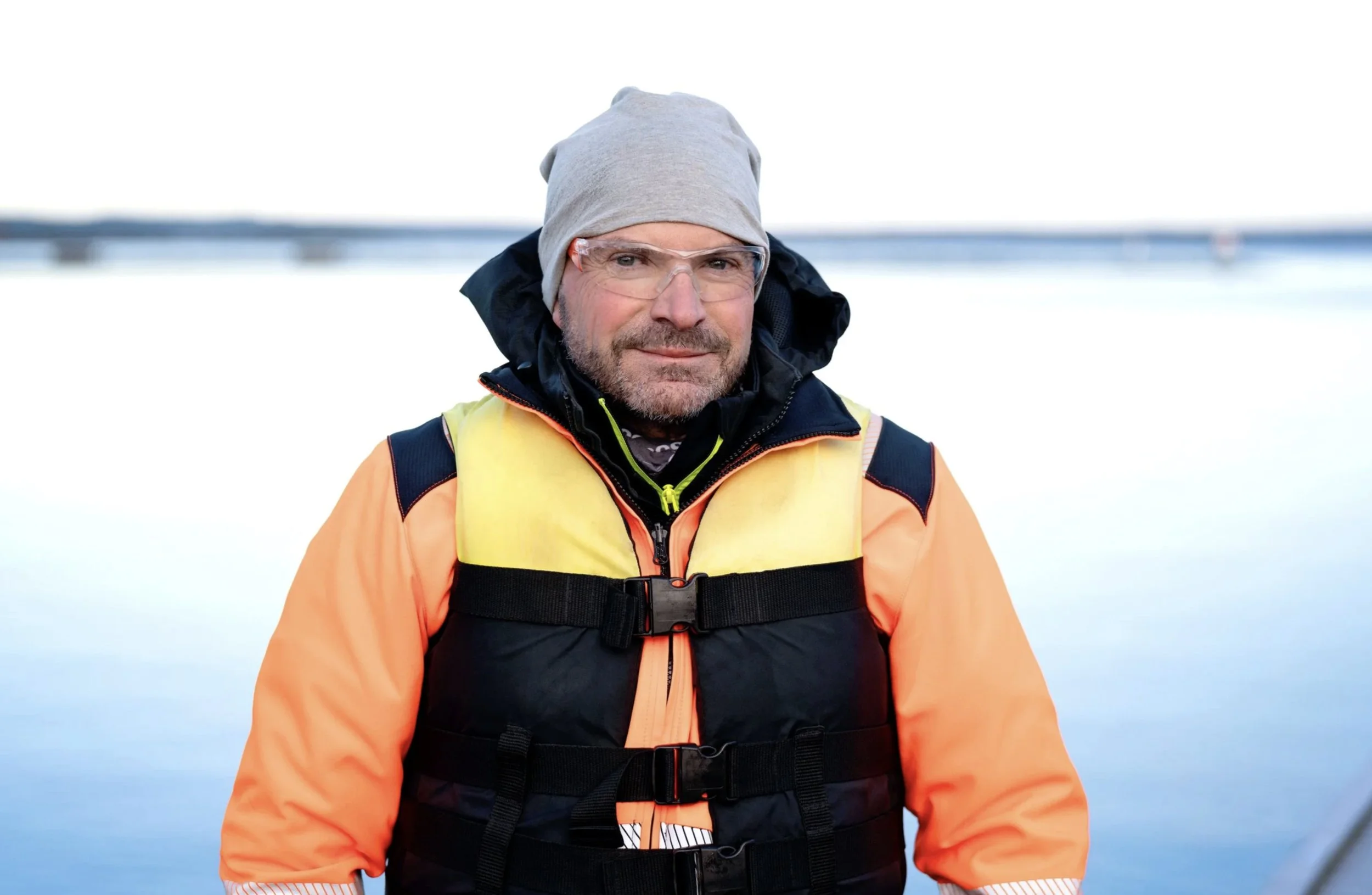
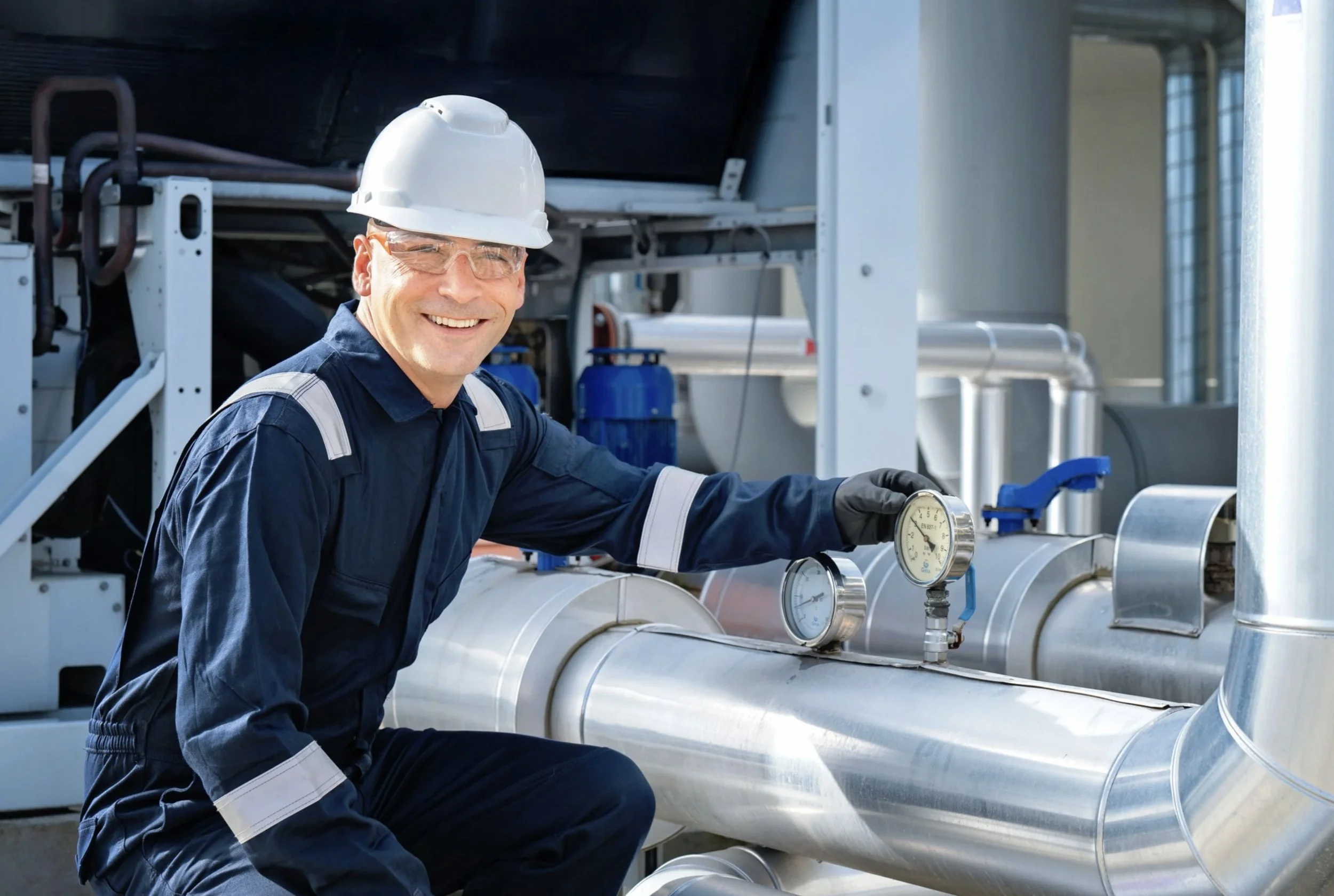
Most employees are not professional models, nor should they need to be.
Talking to people, making them comfortable, and giving them simple directions create much more natural images. Alongside real working situations, we photographed environmental portraits and recreated everyday interactions such as briefings, discussions, training moments and document handovers.
The result is imagery that shows not only what the company does, but also the people, expertise and pride behind it.
Every moment can become an image!
Not every useful photograph needs to be planned.
Walking from one location to another, colleagues talking or laughing together, an unexpected background or simply a moment between two operations can provide some of the most natural images of the day.
These photographs bring atmosphere and humanity to a corporate image library and are particularly valuable for websites, employer branding and social media.
Alongside photography, key moments were also captured as B-roll, providing additional video content for future communications.
One shoot, years of content!
The six-hour production resulted in approximately 100–120 individually edited images, delivered in both high-resolution and web-optimised formats through a private online gallery, together with B-roll footage.
From a single production, the company gained imagery covering two business divisions, multiple services, approximately twelve employees and ten locations.
The resulting library has supported a wide range of internal and external communications, including websites, brochures, annual and half-year reports, recruitment campaigns, presentations and social media, creating a valuable source of visual content designed to remain useful for years to come.